
OCD Therapy in Vadodara – Professional Treatment at The Mind Clinic
Living with Obsessive-Compulsive Disorder (OCD) can feel overwhelming and isolating. You may know your thoughts are irrational, yet the fear and anxiety are so intense that repeating certain behaviors becomes the only way to feel temporarily relieved. Over time, this cycle becomes exhausting — mentally and emotionally.
If you’re experiencing this pattern, please know that real, effective help is available.
At The Mind Clinic, we offer specialized OCD Therapy Vadodara using evidence-based treatments such as CBT and Exposure Response Prevention (ERP). Our experienced psychiatrist and trained psychotherapists work together to provide structured, compassionate care designed to reduce intrusive thoughts, manage anxiety, and help you regain control of your life with confidence and calm.
What is OCD?
Obsessive-Compulsive Disorder (OCD) is a mental health condition that involves persistent, intrusive thoughts (obsessions) and repetitive behaviors (compulsions) performed to reduce the anxiety caused by these thoughts. It is more than occasional worry, habits, or being “organized”—OCD can significantly affect a person’s daily life, emotional wellbeing, and relationships.
People with OCD often feel trapped in a cycle: an intrusive thought arises, it causes anxiety, and performing a behavior or ritual offers temporary relief. While the behavior may ease anxiety for a short time, the obsession usually returns, creating a continuous loop that is exhausting and stressful.
Key Features of OCD
-
Obsessions: These are unwanted and distressing thoughts, images, or urges. They can focus on a wide range of issues such as contamination, safety, morality, or fears of harming oneself or others.
-
Compulsions: These are repetitive actions or mental rituals performed to neutralize the anxiety caused by obsessions. Examples include checking, counting, cleaning, or seeking reassurance.
-
Cycle of OCD: Obsessions trigger anxiety → Compulsions temporarily reduce anxiety → Obsessions return → Anxiety increases → Repeat.
OCD is a Real Mental Health Condition
OCD is not a personality quirk, perfectionism, or simply “being too clean.” It is a legitimate psychiatric disorder recognized by mental health professionals worldwide. Left untreated, it can interfere with work, school, family life, and social interactions.
Why Early Intervention Matters
Early recognition and proper treatment can prevent OCD from becoming more severe and disruptive. Evidence-based therapies, such as cognitive-behavioral therapy (CBT) and exposure-response prevention (ERP), have been shown to reduce symptoms effectively. Seeking OCD Therapy Vadodara at a trusted mental health clinic like The Mind Clinic can help individuals regain control, reduce anxiety, and improve overall quality of life.
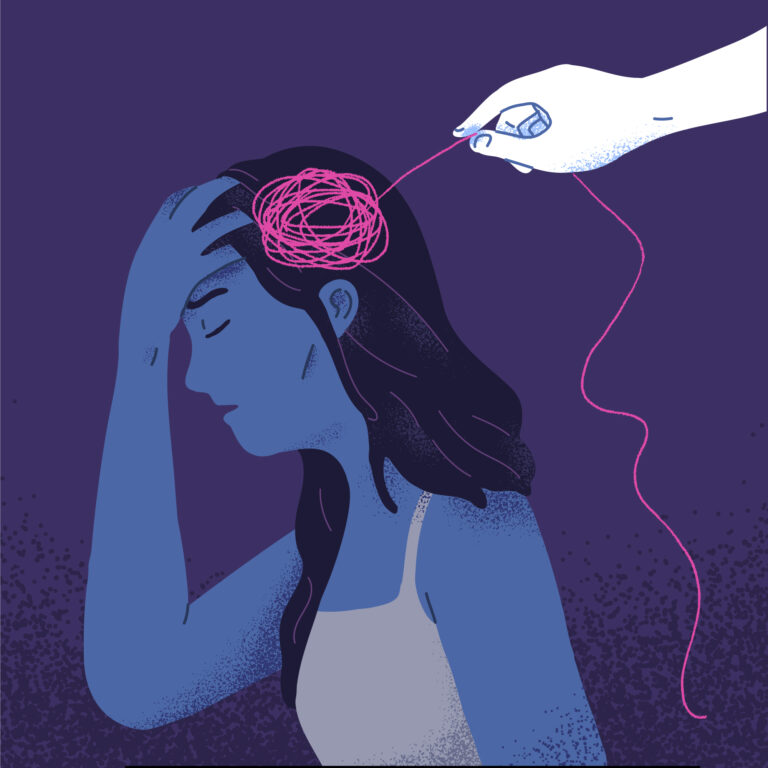
Do You See These Symptoms?
You may have OCD if you experience:
- Excessive fear of germs or contamination
- Checking switches, gas, or locks repeatedly
- Constant need for perfection and symmetry
- Intrusive sexual, violent, or disturbing thoughts
- Repeating ritual-like actions to reduce fear
- Endless reassurance seeking from others
- Feeling ashamed or trapped by the thoughts
If these symptoms affect your routine, relationships, studies, or work —
our psychiatrist in Vadodara can help diagnose and treat it accurately.
Symptoms of OCD
OCD typically shows through obsessions and compulsions.
Obsessions are intrusive, distressing thoughts, such as fears of contamination, harm, or unwanted aggressive, sexual, or moral thoughts.
Compulsions are repetitive behaviors done to relieve anxiety. These may include excessive cleaning, checking locks or appliances, arranging objects perfectly, counting, or repeating phrases mentally.
People with OCD may also feel guilt, shame, or intense anxiety when rituals cannot be completed, and daily tasks may become challenging. Professional OCD Therapy Vadodara helps manage these symptoms and reduces their impact on everyday life.
Causes of OCD
The exact cause of OCD is complex, but a combination of genetic, neurological, and environmental factors can play a role:
- Genetic Factors: OCD often runs in families, suggesting a hereditary component.
- Brain Chemistry: Imbalances in neurotransmitters like serotonin can affect thought regulation.
- Environmental Factors: Stress, trauma, or certain infections may trigger OCD symptoms in susceptible individuals.
Understanding these factors helps in providing personalized OCD Therapy Vadodara tailored to each patient’s needs.
Types of OCD
OCD can present in different ways depending on the individual. Common types include:
- Contamination OCD: Fear of germs or illness, often leading to excessive cleaning.
- Checking OCD: Repeatedly checking doors, appliances, or personal safety.
- Symmetry & Order OCD: Urge for perfect alignment or arrangement of objects.
- Intrusive Thoughts OCD: Unwanted aggressive, sexual, or morally distressing thoughts.
- Hoarding OCD: Difficulty discarding items, even if they have no real value.
Recognizing the type of OCD is important for effective treatment with OCD Therapy Vadodara.
Treatment Options for OCD
At The Mind Clinic, we provide structured, evidence-based OCD Therapy Vadodara using multiple approaches:
- Cognitive Behavioral Therapy (CBT): Helps identify negative thought patterns and develop healthier responses.
- Exposure and Response Prevention (ERP): Gradually exposes patients to triggers while preventing compulsive behaviors, reducing anxiety over time.
- Medication Management: In some cases, SSRIs or other medications are used to manage symptoms effectively.
- Support and Education: We guide patients and families on understanding OCD, managing triggers, and maintaining long-term progress.
Our therapy is tailored to each individual, ensuring better outcomes and a stronger sense of control over life.
Why Choose The Mind Clinic for OCD Therapy Vadodara
-
Experienced Professionals: Our team consists of board-certified psychiatrists and highly trained psychotherapists with extensive experience in managing OCD. Each professional brings specialized knowledge to provide personalized care and guidance throughout your treatment journey.
-
Evidence-Based Approaches: We use proven, research-backed therapies including Cognitive Behavioral Therapy (CBT), Exposure and Response Prevention (ERP), and supportive therapy. These approaches are designed to target the root causes of OCD, helping patients manage obsessions and compulsions effectively.
-
Patient-Centered Care: Every individual is unique, and so is their OCD. We create customized treatment plans tailored to your specific symptoms, lifestyle, and goals. This ensures a practical and effective path to recovery that fits your needs.
-
Confidential & Compassionate Environment: Mental health requires a safe and supportive space. Our clinic offers a confidential, judgment-free environment where patients can openly share their experiences and concerns, fostering trust and emotional comfort during therapy.
-
Proven Results: Many of our patients experience significant improvement in daily functioning, reduced anxiety, and greater control over their thoughts and behaviors. With consistent therapy at The Mind Clinic, individuals can achieve long-term relief and regain confidence in their personal and professional lives.
FAQ
1. What is OCD?
OCD is a mental health disorder involving intrusive thoughts (obsessions) and repetitive behaviors (compulsions) that interfere with daily life.
2. How can OCD be treated?
OCD can be treated effectively with CBT, ERP, and, in some cases, medication, guided by a trained psychiatrist.
3. Who provides OCD therapy in Vadodara?
Experienced psychiatrists and psychotherapists at The Mind Clinic offer professional OCD Therapy Vadodara.
4. Is OCD curable?
While OCD may not completely disappear, treatment significantly reduces symptoms and improves quality of life.
5. How long does therapy take?
Duration varies by individual, severity, and therapy type. Most patients see improvement within a few months.
6. Can children and adolescents get OCD therapy?
Yes, therapy is effective for all age groups, with approaches adapted to developmental needs.
7. How do I know if I need OCD therapy?
If intrusive thoughts, repetitive behaviors, or anxiety interfere with daily life, seeking professional help is recommended.