Pregnancy brings many changes, from physical adjustments to new emotions, questions, and expectations. While some people feel excited about becoming parents, others may experience worry, mood changes, stress, or uncertainty about the future. These feelings can occur even when a pregnancy is planned and welcomed.Prenatal wellness counselling is a form of emotional and psychological support …

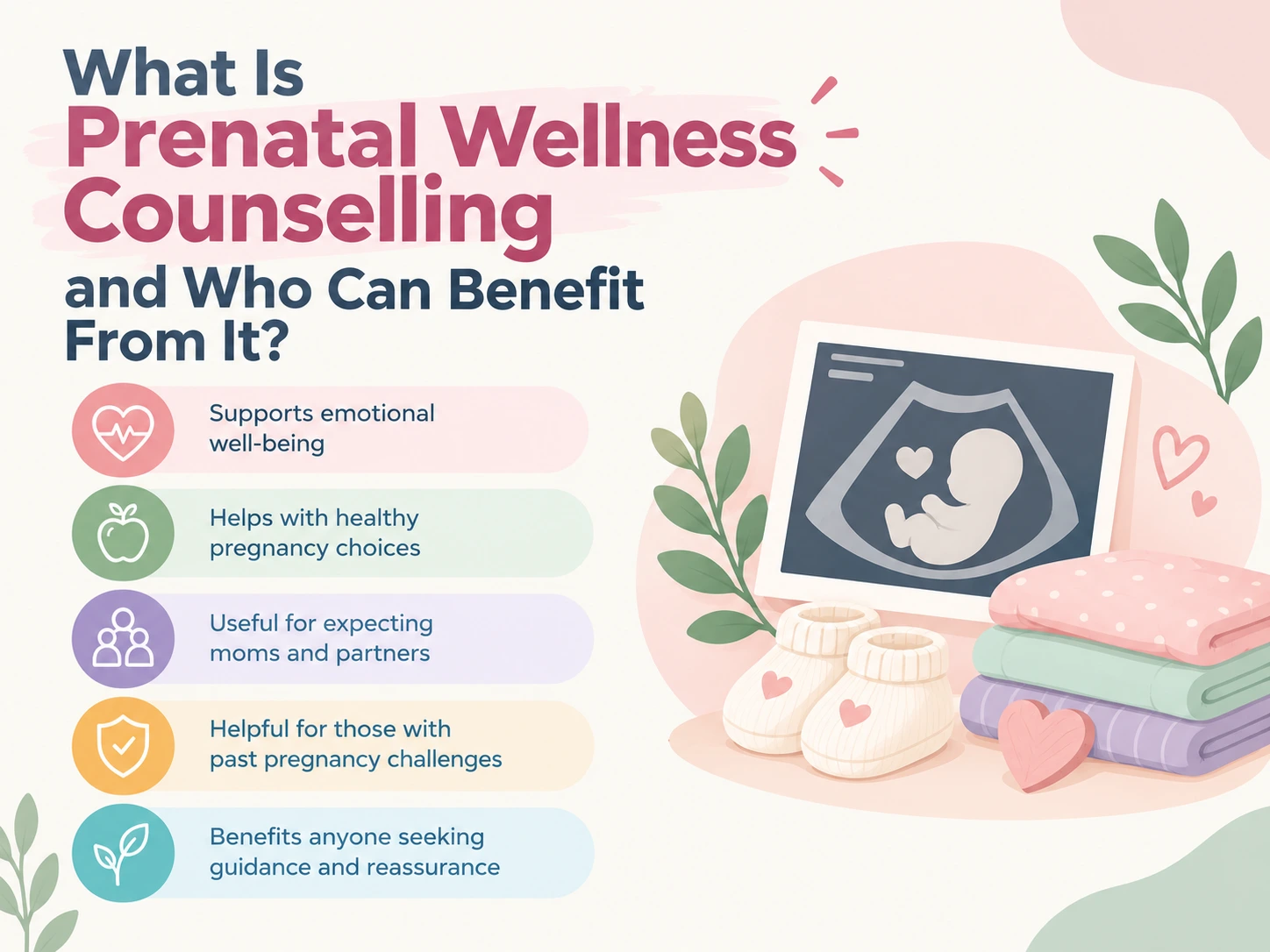
Pregnancy brings many changes, from physical adjustments to new emotions, questions, and expectations. While some people feel excited about becoming parents, others may experience worry, mood changes, stress, or uncertainty about the future. These feelings can occur even when a pregnancy is planned and welcomed.
Prenatal wellness counselling is a form of emotional and psychological support that helps expectant parents understand their feelings, manage pregnancy-related stress, and prepare for the transition to parenthood. It provides a safe space to discuss concerns, develop coping strategies, and build confidence during pregnancy.
For people looking for Prenatal Wellness Counselling in Vadodara, understanding what counselling involves and who may benefit from it can be a helpful first step toward better emotional wellbeing.
What Is Prenatal Wellness Counselling?
Prenatal wellness counselling is professional support focused on emotional wellbeing during pregnancy. It helps expectant parents explore their feelings, understand emotional changes, and prepare for the personal and relationship changes that may come with having a baby.
Pregnancy can bring questions such as:
- Will I be able to manage the responsibilities of parenthood?
- Is it normal to feel anxious about childbirth?
- Why am I feeling emotional when I should be happy?
- How will a baby change my relationship with my partner?
- What can I do when I feel overwhelmed?
Prenatal counselling offers an opportunity to discuss these concerns without fear of judgment. A counsellor may help you identify sources of stress, understand your emotional responses, and learn practical ways to cope with difficult feelings.
Unlike routine pregnancy check-ups, which focus primarily on physical health, prenatal wellness counselling focuses on emotional and psychological preparation. It can complement regular antenatal care but does not replace medical support when needed.
Who Can Benefit From Prenatal Wellness Counselling?
Prenatal wellness counselling can benefit anyone who wants emotional support during pregnancy. You do not need to have a diagnosed mental health condition or be experiencing a crisis to seek counselling.
1. First-Time Parents
Becoming a parent for the first time can feel exciting and unfamiliar. You may wonder how your daily routine, relationships, finances, and personal identity will change after the baby arrives.
Counselling can help you explore these expectations, talk through your concerns, and develop realistic ways to prepare for parenthood.
2. Expectant Mothers Experiencing Anxiety
Some women experience frequent worry during pregnancy. Concerns may involve the baby’s health, childbirth, medical appointments, or uncertainty about the future.
If these worries become difficult to manage, prenatal counselling can help you understand your triggers and learn coping strategies. Persistent or severe anxiety may also require assessment by a qualified mental health professional.
3. People Experiencing Pregnancy-Related Stress
Work responsibilities, family expectations, financial concerns, and physical discomfort can contribute to stress during pregnancy.
Counselling can help you recognise what is within your control, establish healthier boundaries, and identify practical ways to manage everyday pressures.
4. Couples Preparing for Parenthood
Pregnancy can bring changes to a relationship. Partners may have different expectations about parenting, household responsibilities, finances, or support from extended family.
Prenatal counselling can provide a space to communicate openly, understand each other’s concerns, and discuss how to support one another after the baby arrives.
5. People With Previous Difficult Pregnancy Experiences
A previous pregnancy loss, a difficult birth, or another distressing experience may contribute to fear or uncertainty during a subsequent pregnancy.
Talking with a trained professional can help you process these feelings and explore ways to feel more supported. If you have experienced trauma, it is important to work with a professional who understands trauma-informed care.
6. Expectant Parents Who Feel Emotionally Overwhelmed
Not every emotional challenge has a clear explanation. You might feel tearful, irritable, disconnected, or uncertain about becoming a parent.
You can seek counselling even if you cannot explain exactly what is bothering you. Understanding your feelings can be a useful starting point.
What Are the Common Emotional Challenges During Pregnancy?
Emotional experiences vary from person to person, but several concerns commonly arise during pregnancy.
Anxiety about the baby’s health: Worry about medical tests, pregnancy progress, or the baby’s well-being can sometimes become difficult to switch off.
Fear of childbirth: Concerns about labour, pain, medical procedures, or delivery may create emotional distress.
Mood changes: Hormonal changes, tiredness, physical discomfort, and life adjustments can influence mood. However, persistent sadness or severe mood changes should not automatically be attributed to hormones.
Changes in identity: Some expectant parents wonder how they will balance their personal goals, work, relationships, and new responsibilities.
Relationship concerns: Differences in expectations or communication can become more noticeable as couples prepare for a baby.
Fear of not being a good parent: It is common to question whether you will know what to do or whether you will meet your own expectations.
Prenatal wellness counselling can help you explore these concerns and determine what kind of support may be appropriate for your situation.
How Does Prenatal Wellness Counselling Help?
The purpose of counselling is not to make every pregnancy worry disappear. Instead, it helps you understand your emotions and respond to challenges in healthier, more manageable ways.
Depending on your needs, counselling may support you in the following areas.
Managing Stress and Anxiety
A counsellor may help you identify situations that trigger worry and practise techniques such as grounding, relaxation, or reframing unhelpful thoughts.
These strategies can help you respond to stressful situations more calmly.
Building Emotional Awareness
Understanding what you feel and why you feel it can make difficult experiences easier to communicate. Counselling encourages you to recognise emotional patterns rather than dismissing or judging yourself for them.
Preparing for Parenthood
Counselling can help you explore expectations about parenting, discuss concerns about the future, and think about the practical and emotional support you may need.
Improving Communication With Your Partner
Open conversations about responsibilities, boundaries, and expectations can help couples prepare for changes after childbirth.
Developing Healthy Coping Strategies
A counsellor can help you identify coping strategies that suit your needs, circumstances, and comfort level. These may include relaxation exercises, journaling, problem-solving, and seeking support from trusted people.
The approach depends on your individual concerns and the professional’s qualifications.
When Should You Consider Prenatal Wellness Counselling?
You may consider prenatal wellness counselling if you notice that emotional concerns are affecting your daily life or making it difficult to enjoy your pregnancy.
Some signs that professional support may be helpful include:
- Frequent worry that is difficult to control.
- Persistent sadness, hopelessness, or irritability.
- Difficulty sleeping because of anxious thoughts.
- Feeling overwhelmed by pregnancy or parenting responsibilities.
- Ongoing relationship tension related to pregnancy.
- Fear of childbirth that interferes with daily activities.
- Feeling isolated or unable to discuss your emotions with others.
You do not have to wait for these concerns to become severe. Counselling can also be used as a preventive form of support while you prepare for parenthood.
If you experience persistent low mood, severe anxiety, or symptoms that interfere with daily functioning, speak with a qualified mental health professional and your healthcare provider. If you have thoughts of harming yourself, seek urgent professional help.
What Happens During a Prenatal Wellness Counselling Session?
If you have never attended counselling, it is natural to wonder what the first session will be like.
Generally, the initial session is an opportunity to discuss your experiences, concerns, expectations, and support needs. Your counsellor may ask about your emotional wellbeing, current stressors, relationships, and what you hope to gain from counselling.
You can talk at your own pace. You do not need to prepare perfect answers or know exactly where to begin.
Depending on your needs, later sessions may focus on managing anxiety, improving communication, building coping skills, or preparing emotionally for childbirth and parenthood.
The number of sessions varies according to individual needs, and there is no single timeline that works for everyone.
How to Choose Prenatal Wellness Counselling in Vadodara
When looking for prenatal wellness counselling in Vadodara, consider a few important factors.
Check the professional’s qualifications. Look for a qualified mental health professional with relevant experience in pregnancy-related emotional concerns, perinatal mental health, or counselling.
Ask about the counselling approach. You can ask how sessions are conducted and whether the approach suits your concerns and preferences.
Consider comfort and trust. Feeling respected and listened to is important. You should be able to discuss sensitive thoughts without feeling judged.
Understand confidentiality. Ask how your personal information is handled and whether any limits to confidentiality apply.
Look for appropriate referrals. If your concerns require psychiatric assessment or medical care, your counsellor should be able to guide you toward suitable support.
For expectant parents seeking emotional support, The Mind Clinic – Dr. Shachi Patel is a place to explore professional mental wellness support in Vadodara. When considering any counselling service, confirm that the professional’s qualifications and experience match your needs.
Conclusion
Pregnancy is a time of physical, emotional, and personal change. Feeling uncertain, worried, or overwhelmed does not mean you are unprepared for parenthood. It means you may have questions and emotions that deserve attention.
Prenatal wellness counselling helps expectant parents understand these feelings, develop coping strategies, and prepare for the transition to parenthood. Whether you are experiencing anxiety, managing stress, or simply looking for a supportive space to talk, seeking help can be a positive step toward emotional wellbeing.
If you are exploring Prenatal Wellness Counselling in Vadodara, The Mind Clinic – Dr. Shachi Patel can be considered as you research suitable mental health support. Choose a qualified professional who listens to your concerns and helps you identify an approach that meets your individual needs.
You do not have to navigate every emotional change alone. Taking care of your mental wellbeing is also an important part of preparing for your growing family.
Frequently Asked Questions
What is the main purpose of prenatal wellness counselling?
The main purpose is to support emotional wellbeing during pregnancy. Counselling can help expectant parents manage stress, understand anxiety, work through concerns, and prepare emotionally for parenthood.
Is prenatal counselling only for people experiencing anxiety?
No. Prenatal counselling can benefit anyone who wants emotional support during pregnancy, including first-time parents, couples preparing for a baby, and people who want to discuss childbirth or parenting concerns.
When should I start prenatal wellness counselling?
You can consider counselling at any stage of pregnancy. Some people seek support early, while others begin when specific worries or emotional challenges arise. The right time depends on your needs.
Can prenatal counselling help with fear of childbirth?
Yes. Counselling may help you explore the source of your fears, discuss your concerns, and learn coping strategies. You can also discuss medical questions about childbirth with your obstetrician.
Does prenatal wellness counselling involve medication?
Counselling itself does not necessarily involve medication. If symptoms suggest that a medical or psychiatric assessment may be helpful, a qualified professional can guide you toward appropriate care.
Can partners attend prenatal counselling sessions?
Depending on the service and your needs, partners may be able to participate. Joint sessions can help couples discuss expectations, communication, and shared parenting responsibilities.
How do I find prenatal wellness counselling in Vadodara?
Look for a qualified mental health professional who understands pregnancy-related emotional concerns. Check their qualifications, relevant experience, counselling approach, and whether you feel comfortable discussing your concerns with them.
Book a Consultation
It’s easy and free!