Obsessive Compulsive Disorder (OCD) is a mental health condition that affects millions of people worldwide, yet it is often misunderstood. Many people think OCD is simply about being organized, clean, or particular about details. In reality, OCD is much more complex and can significantly impact a person's daily life, relationships, work, studies, and emotional well-being. …

Obsessive Compulsive Disorder (OCD) is a mental health condition that affects millions of people worldwide, yet it is often misunderstood. Many people think OCD is simply about being organized, clean, or particular about details. In reality, OCD is much more complex and can significantly impact a person’s daily life, relationships, work, studies, and emotional well-being.
People experiencing OCD often struggle with unwanted thoughts, fears, or urges that repeatedly enter their minds. These thoughts can create intense anxiety and lead to repetitive behaviors or mental rituals aimed at reducing distress. Without proper support, OCD can become overwhelming and interfere with everyday activities.
Fortunately, effective treatment is available. Through professional support and evidence-based approaches, OCD Therapy in Vadodara can help individuals understand their symptoms, manage intrusive thoughts, and regain control over their lives.
What Is OCD?
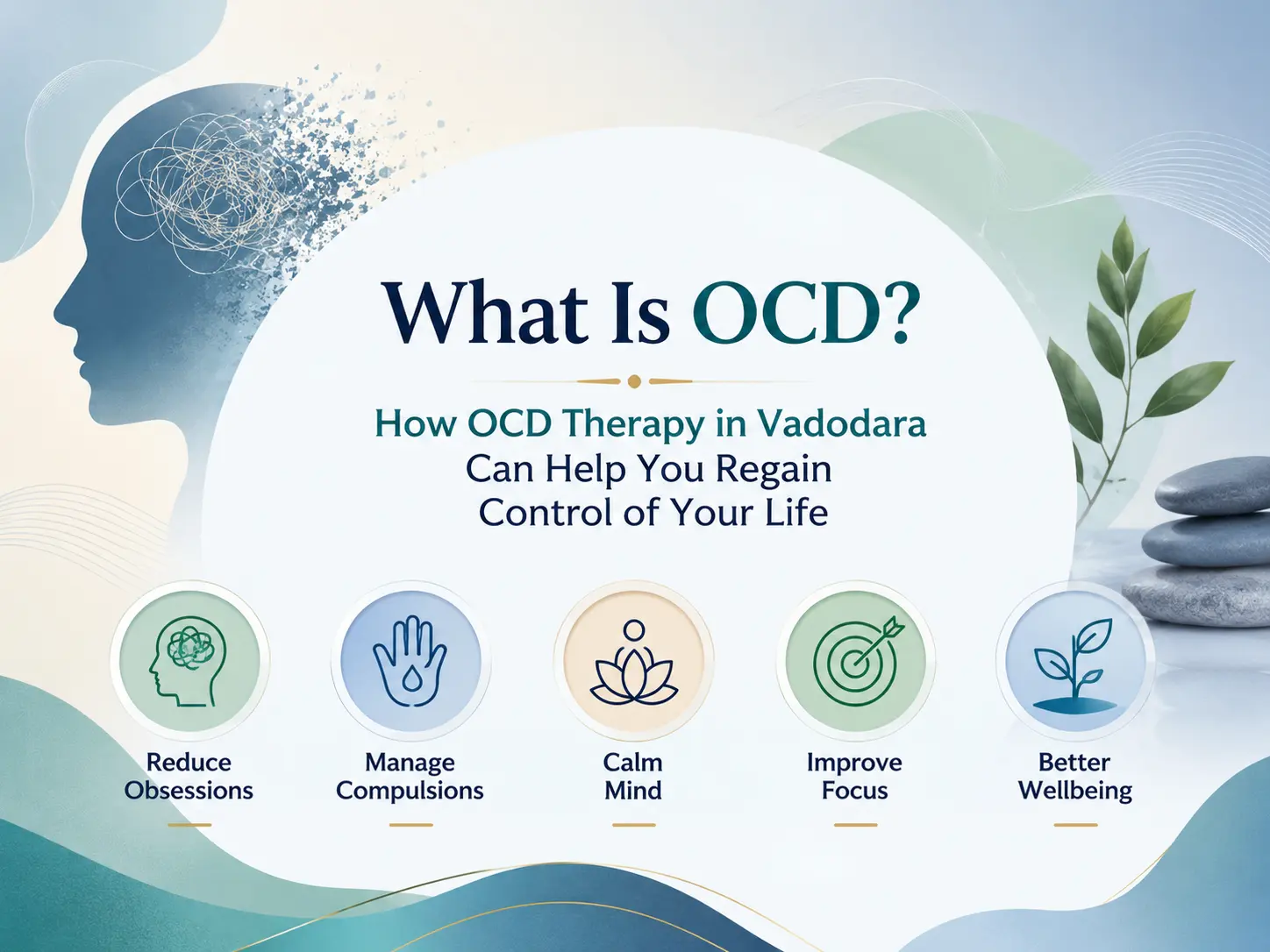
Obsessive Compulsive Disorder is a condition characterized by two main components: obsessions and compulsions.
Obsessions are unwanted, repetitive thoughts, images, or urges that cause anxiety or distress. Compulsions are repetitive behaviors or mental actions performed in an attempt to reduce the anxiety caused by these obsessions.
Individuals with OCD often recognize that their fears may be irrational, but they still feel compelled to engage in certain behaviors to relieve discomfort. This cycle can become exhausting and difficult to break without professional guidance.
Understanding Obsessions
Obsessions can take many forms and vary from person to person. Some individuals experience fears related to contamination, while others may have intrusive thoughts about harm, safety, morality, or relationships.
These thoughts are not simply worries. They are persistent, distressing, and difficult to control, often causing significant emotional discomfort.
Understanding Compulsions
Compulsions are repetitive actions performed to reduce anxiety. These behaviors may include excessive cleaning, checking, counting, arranging items, seeking reassurance, or repeating certain mental rituals.
While compulsions may provide temporary relief, they often strengthen the OCD cycle over time and make symptoms more difficult to manage.
What Are the Common Signs and Symptoms of OCD?
OCD symptoms can appear differently in each individual. Some people experience primarily obsessive thoughts, while others engage in noticeable compulsive behaviors.
Common signs include:
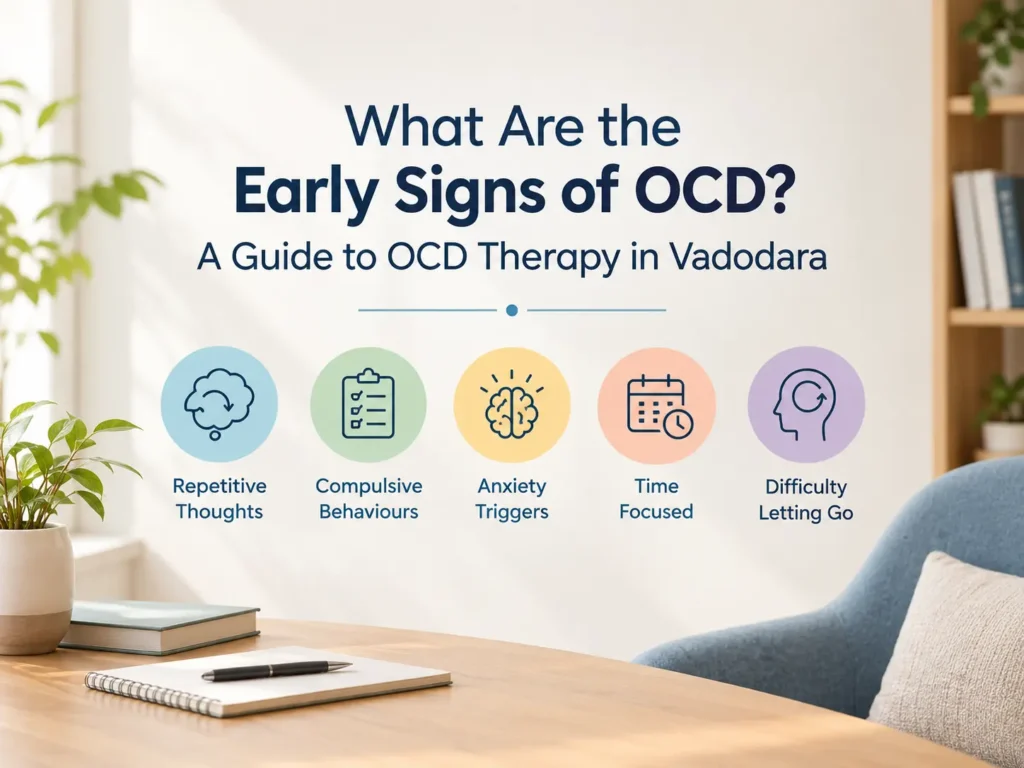
- Repetitive unwanted thoughts
- Excessive fear of contamination
- Frequent checking behaviors
- Need for symmetry or order
- Repeated reassurance seeking
- Intrusive thoughts about harm
- Difficulty tolerating uncertainty
- Excessive doubt and indecision
- Mental rituals such as counting or praying repeatedly
The severity of symptoms can vary, but persistent patterns that interfere with daily functioning may indicate the need for professional evaluation.
Why Do People Develop OCD?
The exact cause of OCD is not fully understood. Researchers believe that a combination of biological, psychological, genetic, and environmental factors may contribute to its development.
Certain individuals may have a genetic predisposition to anxiety-related conditions. Stressful life events, trauma, family history, and differences in brain functioning may also play a role.
It is important to understand that OCD is not caused by weakness, lack of willpower, or personality flaws. It is a recognized mental health condition that responds well to appropriate treatment.
The Role of Anxiety in OCD
Anxiety is often a central feature of OCD. Obsessive thoughts create distress, while compulsive behaviors are used as a temporary coping mechanism. Unfortunately, these behaviors reinforce the cycle and prevent individuals from learning that anxiety can decrease naturally over time.
Understanding this relationship is an important part of successful treatment.
Why Intrusive Thoughts Feel So Distressing
Everyone experiences occasional unwanted thoughts. However, individuals with OCD often assign excessive meaning to these thoughts and feel responsible for preventing feared outcomes.
This heightened sense of responsibility can make intrusive thoughts feel threatening and difficult to dismiss, leading to increased anxiety and compulsive behavior.
How Does OCD Affect Daily Life?
OCD can have a significant impact on many aspects of life. Some individuals spend several hours each day performing rituals or managing intrusive thoughts. This can interfere with work, education, relationships, and personal responsibilities.
The condition can also lead to emotional exhaustion, frustration, guilt, embarrassment, and reduced self-confidence. Many people feel isolated because they fear others may not understand what they are experiencing.
When left untreated, OCD can become increasingly disruptive and affect overall quality of life.
How Can OCD Therapy in Vadodara Help?
Professional therapy is one of the most effective ways to manage OCD symptoms. Through evidence-based treatment approaches, individuals learn to understand their thought patterns, challenge unhelpful beliefs, and reduce compulsive behaviors.
OCD Therapy in Vadodara focuses on helping individuals break the cycle of obsessions and compulsions while developing healthier responses to anxiety.
Therapy provides a safe, supportive, and confidential environment where individuals can discuss their experiences without fear of judgment.
Learning to Manage Intrusive Thoughts
One of the primary goals of therapy is helping individuals understand that intrusive thoughts do not define who they are. Through professional guidance, clients learn techniques to respond differently to unwanted thoughts and reduce their emotional impact.
Over time, this process can decrease anxiety and improve overall emotional well-being.
Reducing Compulsive Behaviors
Compulsions often provide short-term relief but maintain OCD symptoms in the long run. Therapy helps individuals gradually reduce these behaviors while building confidence in their ability to tolerate uncertainty and discomfort.
This process can significantly improve daily functioning and quality of life.
What Are the Benefits of Seeking OCD Therapy Early?
Early intervention can make a meaningful difference in recovery. Addressing symptoms before they become deeply ingrained often leads to better outcomes and improved emotional resilience.
Benefits of early treatment may include:
- Reduced anxiety levels
- Improved emotional well-being
- Better concentration and productivity
- Healthier relationships
- Increased confidence
- Greater independence
- Enhanced quality of life
Seeking support early can help individuals regain control and prevent symptoms from becoming more disruptive.
This process can significantly improve daily functioning and quality of life.
When Should You Consider OCD Therapy in Vadodara?
Many people delay seeking help because they hope symptoms will disappear on their own or because they feel embarrassed discussing their experiences.
However, professional support may be beneficial if:
- Intrusive thoughts occur frequently
- Compulsive behaviors consume significant time
- Anxiety interferes with daily activities
- Relationships are affected by symptoms
- Work or academic performance is declining
- You feel trapped in repetitive thought patterns
Recognizing these signs and seeking support is a positive step toward recovery.
Can OCD Be Effectively Managed?
Yes. While OCD can be challenging, many individuals experience significant improvement with professional treatment and ongoing support. Learning effective coping strategies, understanding triggers, and developing healthier responses to anxiety can greatly reduce the impact of symptoms.
Recovery does not necessarily mean eliminating every unwanted thought. Instead, it involves changing the relationship with those thoughts and reducing their influence on daily life.
With commitment, support, and evidence-based therapy, individuals can lead fulfilling and meaningful lives.
Summary
Obsessive-Compulsive Disorder is more than a preference for cleanliness or organization. It is a mental health condition characterized by intrusive thoughts and repetitive behaviors that can significantly affect daily life. Left untreated, OCD can interfere with relationships, work, education, and emotional well-being.
The good news is that effective treatment is available. Through professional support, individuals can learn to manage anxiety, reduce compulsive behaviors, and develop healthier ways of responding to intrusive thoughts. OCD Therapy in Vadodara provides a structured and supportive approach to helping individuals regain confidence, improve their quality of life, and move toward lasting emotional well-being.
Frequently Asked Questions
1. What is OCD?
OCD, or Obsessive-Compulsive Disorder, is a mental health condition involving unwanted intrusive thoughts (obsessions) and repetitive behaviors or mental rituals (compulsions).
2. What are the most common symptoms of OCD?
Common symptoms include repetitive thoughts, excessive checking, contamination fears, reassurance seeking, intrusive thoughts, and compulsive behaviors.
3. Can OCD affect children and teenagers?
Yes. OCD can develop in children, teenagers, and adults. Early identification and professional support can improve long-term outcomes.
4. Does stress cause OCD?
Stress does not directly cause OCD, but it can worsen symptoms and make intrusive thoughts and compulsive behaviors more difficult to manage.
5. How effective is OCD Therapy in Vadodara?
Professional therapy can be highly effective in helping individuals understand OCD, manage anxiety, reduce compulsions, and improve overall quality of life.
6. When should I seek OCD therapy?
You should consider professional support if obsessive thoughts or compulsive behaviors are affecting your daily routine, relationships, work, studies, or emotional well-being.
Book a Consultation
It’s easy and free!