Stress is a natural response to life's challenges. Whether it is meeting work deadlines, managing family responsibilities, handling financial concerns, or coping with unexpected changes, everyone experiences stress at some point. However, when stress becomes persistent and lasts for weeks, months, or even years, it can become chronic. Unlike temporary stress, chronic stress can significantly …

Stress is a natural response to life’s challenges. Whether it is meeting work deadlines, managing family responsibilities, handling financial concerns, or coping with unexpected changes, everyone experiences stress at some point. However, when stress becomes persistent and lasts for weeks, months, or even years, it can become chronic. Unlike temporary stress, chronic stress can significantly affect both mental and physical health, making it difficult to enjoy daily life and maintain overall well-being.
Many people searching for Stress Management in Vadodara are looking for practical ways to cope with ongoing pressure, emotional exhaustion, and feelings of being overwhelmed. Understanding the causes of chronic stress and learning effective stress management strategies can help individuals regain balance and improve their quality of life.
What Is Chronic Stress?
Chronic stress occurs when the body’s stress response remains activated for an extended period. Instead of recovering after a stressful event, the mind and body stay in a constant state of alertness. Over time, this can affect emotional health, physical well-being, relationships, and daily functioning.
While occasional stress can motivate people to perform better and respond to challenges, chronic stress often leaves individuals feeling exhausted, anxious, and unable to relax. Identifying stress early and seeking appropriate support can help prevent long-term complications.
Acute Stress vs. Chronic Stress
Acute stress is short-term and usually occurs in response to a specific situation, such as preparing for an exam or attending an important meeting. Once the situation passes, stress levels typically return to normal.
Chronic stress, however, continues for a prolonged period. It may result from ongoing work pressure, financial difficulties, relationship conflicts, health concerns, or unresolved emotional challenges.
Why Chronic Stress Should Not Be Ignored
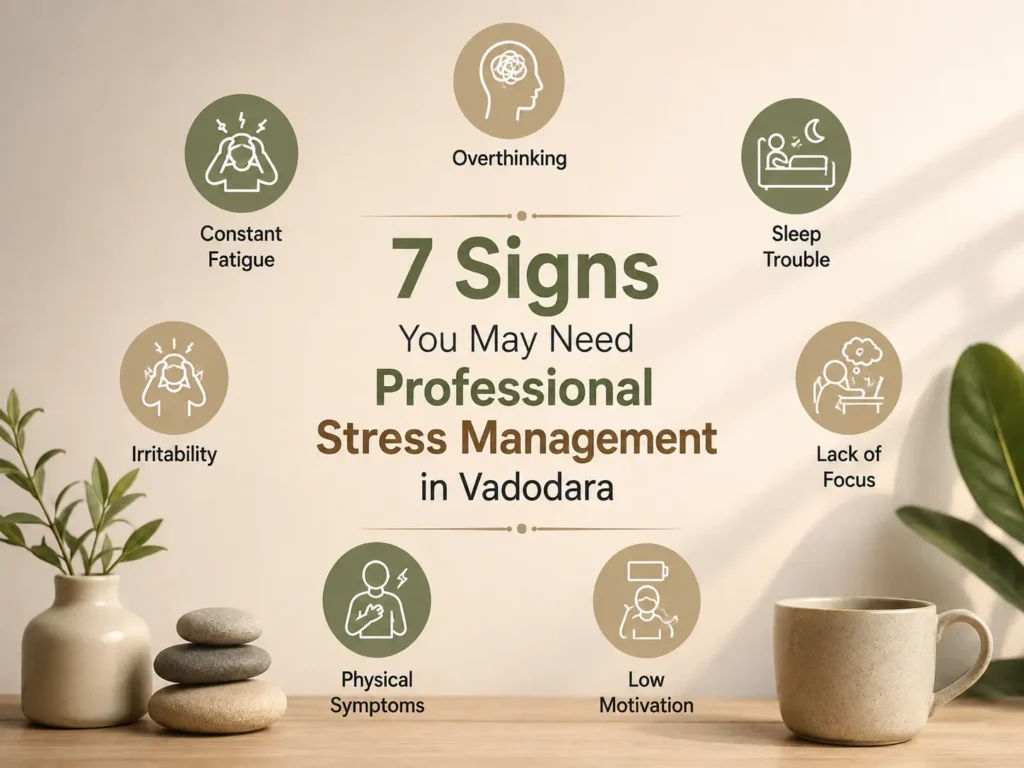
Ignoring chronic stress can have a significant impact on mental and physical health. Persistent stress may contribute to anxiety, irritability, sleep disturbances, headaches, fatigue, digestive problems, and difficulty concentrating. Addressing stress early can improve overall well-being and prevent it from becoming overwhelming.
What Causes Chronic Stress?
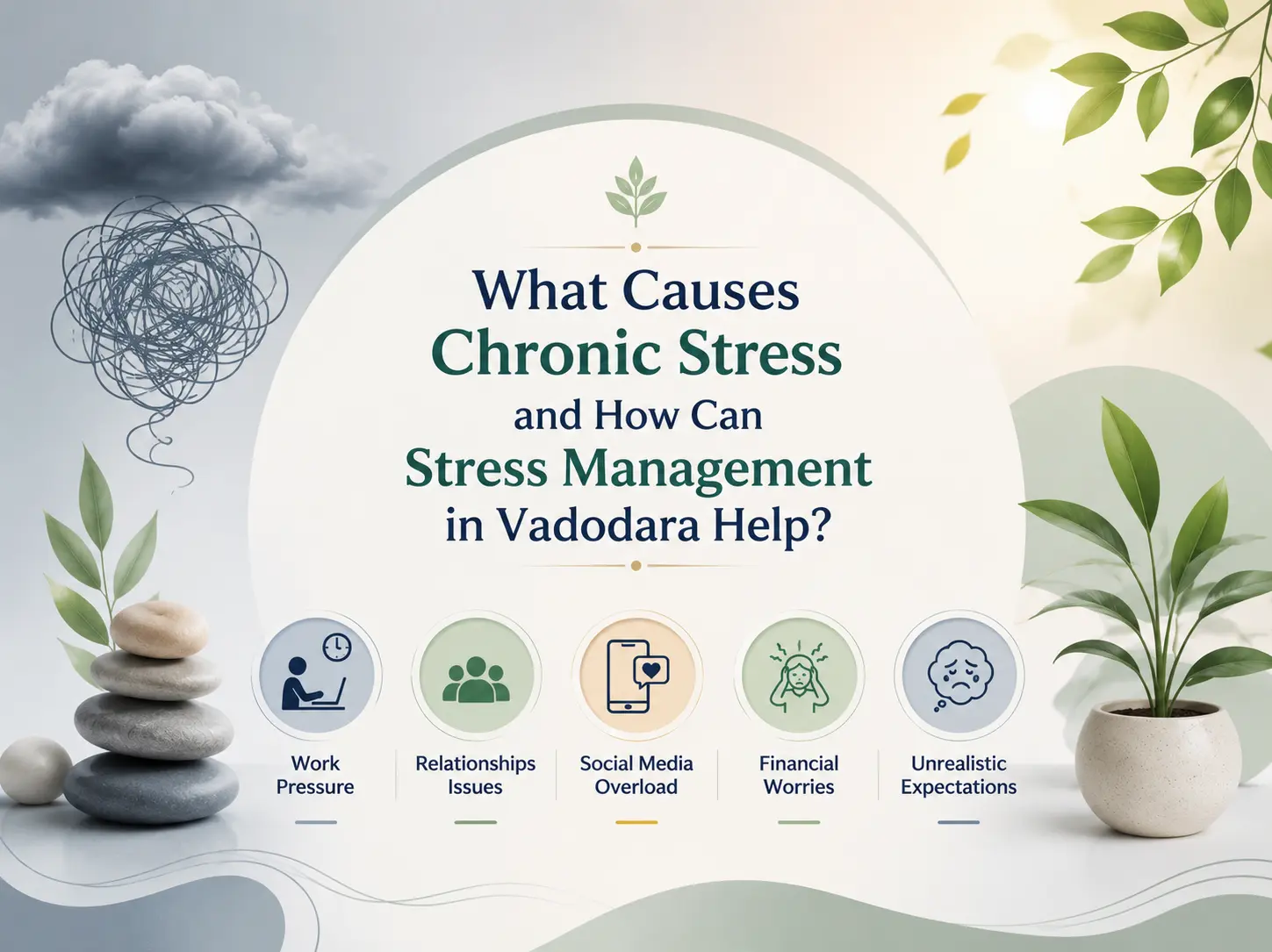
There is no single cause of chronic stress. Different individuals experience stress for different reasons, and multiple factors can contribute simultaneously.
Work-Related Pressure
One of the most common causes of chronic stress is workplace pressure. Long working hours, unrealistic expectations, job insecurity, heavy workloads, and poor work-life balance can create ongoing stress that affects emotional and physical health.
Financial Concerns
Financial uncertainty can lead to constant worry and anxiety. Managing expenses, debt, family responsibilities, and future financial goals can place significant emotional strain on individuals and families.
Relationship Challenges
Conflicts with partners, family members, friends, or colleagues can create emotional stress. Communication difficulties, misunderstandings, and unresolved issues often contribute to ongoing tension and anxiety.
Health-Related Issues
Living with chronic illness, caring for a loved one, or worrying about personal health can be emotionally draining. Health concerns often increase stress levels and affect overall quality of life.
Major Life Changes
Significant life transitions such as marriage, parenthood, relocation, career changes, or loss of a loved one can create emotional challenges that contribute to chronic stress.
How Does Chronic Stress Affect Mental Health?
Chronic stress can influence the way individuals think, feel, and behave. When stress remains unmanaged for long periods, it may increase the risk of anxiety, emotional exhaustion, and low mood.
People experiencing chronic stress often report feeling overwhelmed, irritable, unmotivated, or mentally drained. They may struggle with concentration, decision-making, and maintaining healthy relationships.
Emotional Effects of Chronic Stress
Common emotional effects include:
- Anxiety and excessive worrying
- Irritability and frustration
- Feelings of helplessness
- Emotional exhaustion
- Reduced motivation
- Difficulty relaxing
Physical Effects of Chronic Stress
Stress affects the body as well as the mind. Physical symptoms may include:
- Headaches
- Muscle tension
- Fatigue
- Sleep disturbances
- Digestive issues
- Increased heart rate
- Changes in appetite
These symptoms can further contribute to emotional distress and reduce overall well-being.
How Can Stress Management in Vadodara Help?
Professional Stress Management in Vadodara can help individuals identify stress triggers, develop healthier coping mechanisms, and improve emotional resilience. Rather than simply reducing symptoms, stress management focuses on addressing the underlying causes of stress and promoting long-term well-being.
Learning how to respond to challenges in a healthier way can significantly improve the quality of life and emotional balance.
Identifying Personal Stress Triggers
One of the first steps in stress management is understanding what causes stress. By identifying triggers, individuals can develop strategies to manage difficult situations more effectively and reduce their emotional impact.
Building Healthy Coping Strategies
Effective stress management involves developing practical skills that help individuals cope with pressure constructively. These may include relaxation techniques, mindfulness practices, healthy communication skills, and improved time management.
Effective Stress Management Techniques
Managing stress requires consistent effort and healthy lifestyle habits. Small changes can make a significant difference in reducing stress levels and improving emotional well-being.
Prioritize Physical Health
Regular exercise, adequate sleep, and balanced nutrition support both mental and physical health. Taking care of the body helps improve resilience and reduce the impact of stress.
Practice Mindfulness
Mindfulness encourages individuals to focus on the present moment rather than worrying about the future or dwelling on the past. This practice can help reduce anxiety and improve emotional awareness.
Maintain Work-Life Balance
Setting boundaries between work and personal life is essential for reducing chronic stress. Taking breaks, engaging in hobbies, and spending time with loved ones can help restore balance.
Strengthen Social Connections
Supportive relationships play an important role in stress management. Talking with trusted friends, family members, or mental health professionals can provide emotional support and perspective during difficult times.
When Should You Seek Professional Support?
While self-care strategies can be helpful, professional support may be beneficial when stress begins affecting daily life, relationships, sleep, work performance, or emotional well-being.
Seeking professional help is not a sign of weakness. It is a proactive step toward understanding stress and developing healthier coping skills. Early intervention can prevent stress from becoming more severe and improve overall quality of life.
Summary
Chronic stress is a common but serious challenge that can affect both mental and physical health. Work pressure, financial concerns, relationship difficulties, health issues, and major life changes are some of the most common causes. If left unmanaged, chronic stress can lead to emotional exhaustion, anxiety, and a reduced quality of life.
The good news is that effective support is available. Through professional Stress Management in Vadodara, individuals can learn practical techniques to identify stress triggers, build emotional resilience, and improve overall well-being. By taking proactive steps today, it is possible to manage stress more effectively and enjoy a healthier, happier, and more balanced life.
Frequently Asked Questions
1. What is chronic stress?
Chronic stress is a prolonged state of physical and emotional tension that continues for an extended period and affects overall well-being.
2. What are the common symptoms of chronic stress?
Symptoms may include anxiety, irritability, sleep problems, fatigue, headaches, difficulty concentrating, and emotional exhaustion.
3. How can Stress Management in Vadodara help?
Stress Management in Vadodara helps individuals identify stress triggers, develop healthy coping strategies, improve emotional resilience, and enhance overall well-being.
4. Can chronic stress affect physical health?
Yes. Chronic stress can contribute to headaches, sleep disturbances, digestive issues, fatigue, muscle tension, and other physical symptoms.
5. When should I seek professional help for stress?
If stress is affecting your relationships, work performance, sleep, daily functioning, or emotional well-being, professional support may be beneficial.
Book a Consultation
It’s easy and free!