Teenage years are often described as a time of growth, self-discovery, and new opportunities. However, many teenagers today are experiencing higher levels of stress and anxiety than previous generations. Academic pressure, social expectations, excessive screen time, changing family dynamics, and concerns about the future have all contributed to increasing emotional challenges among adolescents. While occasional …

Teenage years are often described as a time of growth, self-discovery, and new opportunities. However, many teenagers today are experiencing higher levels of stress and anxiety than previous generations. Academic pressure, social expectations, excessive screen time, changing family dynamics, and concerns about the future have all contributed to increasing emotional challenges among adolescents. While occasional stress is a normal part of life, persistent anxiety can affect a teenager’s mental health, relationships, and overall well-being. Recognizing these signs early and seeking professional anxiety treatment in Vadodara when needed can help teenagers receive timely support and improve their emotional well-being.
Understanding the reasons behind rising stress levels can help parents, teachers, and teenagers themselves recognize when support may be needed. Early intervention and professional guidance can play an important role in helping young people develop healthy coping strategies and emotional resilience.
What Is Causing Increased Stress and Anxiety Among Teenagers?
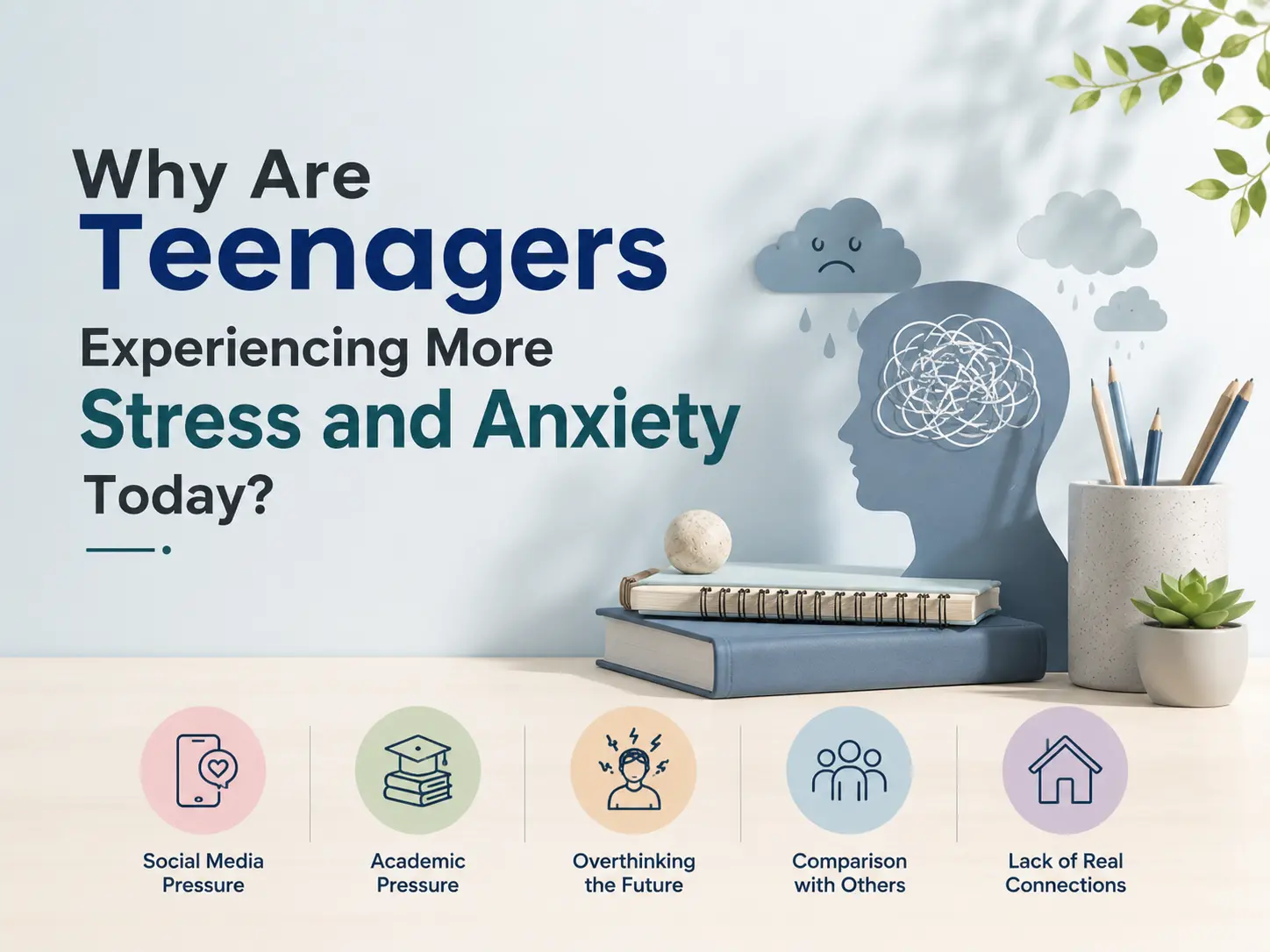
Teenagers today face a variety of pressures that can affect their emotional well-being. Balancing school responsibilities, friendships, family expectations, and future goals can become overwhelming. In addition, social media and constant digital connectivity have created new sources of comparison and stress.
While every teenager’s experience is different, understanding the common causes can help families provide better support and encourage healthy communication.
Academic Pressure and Competition
Academic expectations are one of the biggest sources of stress for teenagers. Many students feel pressure to achieve high grades, perform well in competitive exams, and meet expectations from parents and society. Fear of failure and uncertainty about future careers can further contribute to anxiety and emotional exhaustion.
Social Media and Constant Comparison
Social media has transformed the way teenagers communicate and interact. Although it offers opportunities for connection, excessive use can increase feelings of insecurity and low self-esteem. Constant exposure to carefully curated images and lifestyles may lead teenagers to compare themselves with others, creating unrealistic expectations and increasing stress.
How Do Stress and Anxiety Affect Teenagers?
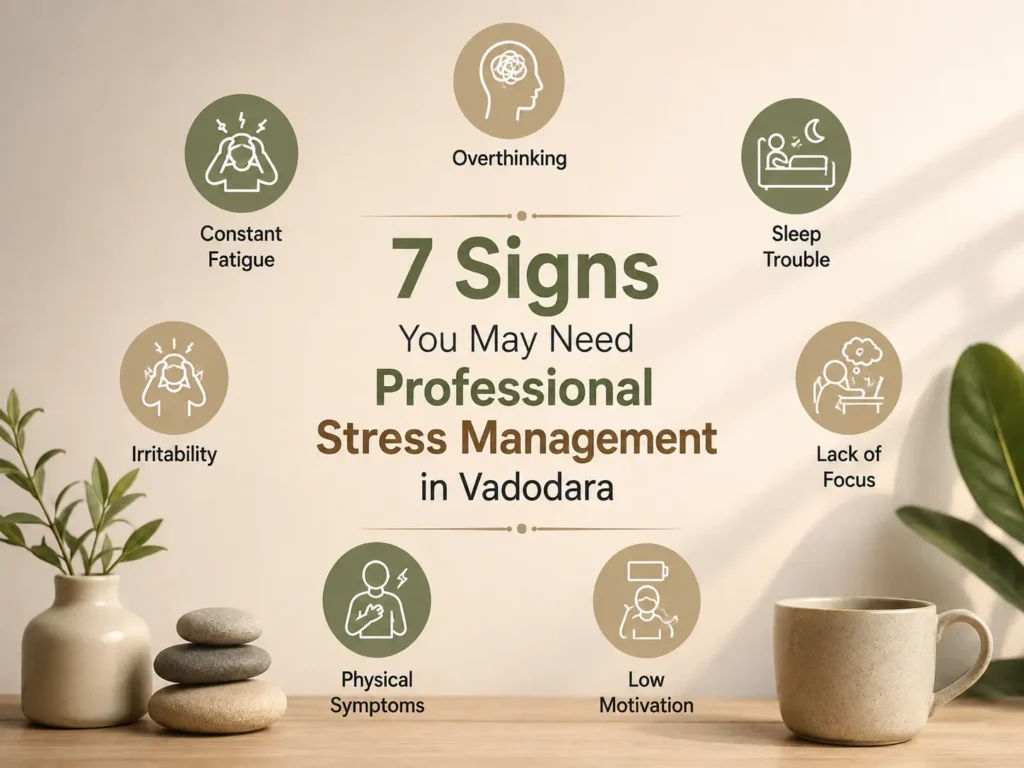
Stress and anxiety can impact a teenager’s emotional, physical, and social well-being. Some teenagers may become irritable, withdrawn, or lose interest in activities they once enjoyed. Others may experience difficulty concentrating, changes in sleep patterns, headaches, fatigue, or feelings of sadness and worry.
If left unaddressed, chronic stress can affect academic performance, relationships, and overall quality of life. Recognizing these signs early is essential to ensuring that teenagers receive the support they need.
Why Emotional Support Matters During Adolescence
Adolescence is a critical stage of emotional and psychological development. Teenagers need understanding, encouragement, and a safe space where they can express their feelings without fear of judgment. Open communication with parents, teachers, and other trusted adults can make a significant difference in how they navigate challenges.
Professional counseling can also provide teenagers with practical tools to manage stress, improve self-confidence, and develop healthier coping mechanisms. Learning emotional regulation skills during adolescence can contribute to long-term mental wellness and resilience. For teenagers experiencing persistent anxiety, seeking professional Anxiety Treatment Vadodara can provide personalized guidance and effective coping strategies to support their emotional well-being.
Building Healthy Coping Strategies
Healthy habits such as regular exercise, adequate sleep, mindfulness practices, and maintaining a balanced routine can help teenagers manage stress more effectively. Encouraging hobbies, social connections, and open conversations can also support emotional well-being and reduce feelings of isolation.
Why Is Emotional Support Important During the Teenage Years?
Adolescence is a crucial stage of emotional and psychological development. Teenagers often experience changes in their identity, relationships, academic responsibilities, and future aspirations. During this period, having a supportive environment can make a significant difference in how young people manage stress and anxiety.
Parents, teachers, and trusted adults play an important role in providing understanding and encouragement. Open communication allows teenagers to express their feelings without fear of judgment, helping them build confidence and emotional resilience. Professional counseling can also provide practical tools to manage emotions and develop healthier coping mechanisms. When anxiety begins to affect a teenager’s daily life, school performance, or relationships, seeking professional Anxiety Treatment Vadodara can provide the right support, practical coping strategies, and long-term emotional guidance.
How Can Teenagers Manage Stress and Anxiety in Healthy Ways?
Although stress is a normal part of life, learning healthy coping strategies can help teenagers maintain emotional well-being. Developing positive habits early in life can improve resilience and reduce the impact of stress on daily functioning.
Regular exercise, adequate sleep, mindfulness practices, and maintaining a balanced routine can help teenagers manage stress more effectively. Encouraging hobbies, spending time with supportive friends and family, and limiting excessive screen time can also promote better mental health. Seeking professional support when needed is another positive step toward building lifelong emotional wellness.
Developing Healthy Daily Habits
Simple lifestyle changes such as maintaining a regular sleep schedule, eating a balanced diet, staying physically active, and practicing relaxation techniques can help teenagers cope with stress more effectively. Healthy habits contribute to emotional stability and overall well-being.
Building Strong Support Systems
Having supportive relationships with parents, friends, teachers, and family members can make a significant difference in managing stress and anxiety. Open communication and meaningful connections help teenagers feel understood and less isolated during challenging times.
Knowing When to Seek Professional Support
While occasional stress is normal, persistent anxiety or emotional difficulties that interfere with school, relationships, or daily life may require professional guidance. Early support can help teenagers develop healthy coping strategies, improve emotional resilience, and maintain better mental health.
Summary
Teenagers today face unique challenges that can contribute to stress and anxiety, including academic pressure, social media influences, and concerns about the future. While occasional stress is normal, persistent anxiety should not be ignored. Understanding the causes and recognizing early signs can help families provide timely support and encourage healthier coping strategies. When anxiety begins to interfere with a teenager’s daily life, seeking professional Anxiety Treatment Vadodara can provide effective support and personalized coping strategies. With proper guidance, emotional support, and Anxiety Treatment Vadodara, teenagers can develop resilience and build a strong foundation for lifelong mental well-being.
Frequently Asked Questions
1. Why are teenagers experiencing more stress today?
Teenagers face academic pressure, social expectations, digital influences, and concerns about their future, all of which can contribute to increased stress and anxiety.
2. Can social media affect a teenager's mental health?
Yes. Excessive social media use and constant comparison with others can increase stress, anxiety, and low self-esteem in teenagers.
3. What are common signs of anxiety in teenagers?
Common signs include excessive worrying, irritability, difficulty sleeping, fatigue, changes in appetite, withdrawal from friends, and problems concentrating.
4. How can parents help stressed teenagers?
Parents can support teenagers by maintaining open communication, encouraging healthy habits, and seeking professional help when emotional difficulties begin affecting daily life.
5. When should a teenager seek professional counseling?
If stress or anxiety is interfering with school performance, relationships, sleep, or overall well-being, seeking professional Anxiety Treatment Vadodara can help teenagers develop healthier coping skills, improve emotional resilience, and better manage the challenges of everyday life.
Book a Consultation
It’s easy and free!